

How to Become a Forensic Psychologist in California (2026)
Key Takeaways
- In California, practicing as a licensed psychologist requires a qualifying doctoral degree, 3,000 hours of supervised professional experience, and passage of the Examination for Professional Practice in Psychology (EPPP) and the California Psychology Laws and Ethics Examination (CPLEE). At least 1,500 of the required SPE hours must be completed postdoctorally, with licensure overseen by the California Board of Psychology.
- The typical forensic psychologist education sequence begins with a bachelor’s degree, followed by an optional but strategic master’s in forensic psychology, a doctorate, supervised hours, and the EPPP plus the CPLEE. Some students interested in the legal side of forensic psychology may instead pursue a combined JD/PhD program that integrates doctoral psychology training with legal education.
- The full forensic psychologist licensure process generally takes about 10 to 15 years from the start of a bachelor’s degree, depending on the education route and how quickly supervised experience and licensing requirements are completed.
- A doctorate is required to become a licensed psychologist, but master’s-level education in forensic psychology may prepare graduates for related roles in areas such as corrections, victim advocacy, law enforcement, and legal services, depending on employer requirements.
- Touro University Worldwide’s 100% online BA in Psychology with a Forensic Psychology concentration and the 100% online MS in Forensic Psychology are designed for adult learners building toward doctoral study or master’s-level forensic careers.
Becoming a forensic psychologist in California is a step-by-step licensing and career path, and it combines psychology with the legal and criminal justice system. Aspiring forensic psychologists and career changers, including working adults who study online, need to understand the education path, licensure steps, timeline, salary, and what’s possible at the master’s level before committing to a doctorate. The California Board of Psychology is the licensing body that governs most of what follows.
How to become a forensic psychologist in California (step by step)
Becoming a forensic psychologist in California generally starts with a bachelor’s degree and continues through graduate study to a qualifying doctorate, which is required for psychologist licensure. You must also complete supervised professional experience and pass the two exams as part of the California Board of Psychology’s licensure process. Forensic expertise develops through coursework, research, practicum and internship placements, and postdoctoral experience instead of through a separate forensic psychology license.
Step 1: Earn a bachelor’s degree
California doesn’t require a specific undergraduate major, but a psychology degree provides a direct foundation for graduate study, since psychology programs commonly look for coursework in areas such as research methods, statistics, and psychological theory. Criminal justice can also provide relevant preparation if you’re drawn to the legal side of the field, but you may need additional psychology coursework to meet the admission requirements of the graduate programs you plan to pursue. Research experience, internships, and relevant volunteer work in settings such as victim services or corrections can also strengthen a graduate application.
If you’re starting out, TUW’s BA in Psychology with a Forensic Psychology concentration is a 100% online program with no residency requirement.
Step 2: Consider a master’s degree in forensic psychology
A master’s isn’t required before every doctoral program, but it can provide useful preparation for students who want more advanced study before applying. It also gives career changers an opportunity to build knowledge in forensic psychology before committing to a doctorate and may prepare graduates for master’s-level roles in areas such as corrections, victim advocacy, criminal justice, and legal services. A forensic psychology master’s degree typically covers subjects such as psychology and the law, criminal behavior, forensic assessment, professional ethics, and research methods. For doctoral admissions, research experience is particularly important, and requirements vary considerably by program.
TUW’s online master of science in forensic psychology is a 36-credit program delivered 100% online by a nonprofit, WSCUC-accredited university. It uses eight-week courses, offers six start dates per year, and currently charges $500 per semester credit. The program provides graduate-level study in forensic psychology that may support further academic study or careers in related forensic and criminal justice settings. The degree itself does not lead to licensure or certification.
A graduate’s perspective:
As a criminal investigator, TUW Master of Forensic Psychology Graduate LeAnn Cintron discusses how she repurposes her master education towards identifying serial mental disorders in criminal activity, aiding proper placement in child custody battles, and improving overall public safety and community justice. Your TUW family is so proud of you, LeAnn!!
Learn More:
Step 3: Complete a doctoral degree (PhD or PsyD)
California psychologist licensure requires a qualifying doctoral degree from an appropriately accredited institution. The degree may be in psychology with a specialization such as clinical, counseling, school, or forensic psychology, or another field that meets California Board of Psychology requirements. An APA-accredited doctoral program is one example of a recognized training route.
Both PhD and PsyD programs can prepare students for professional psychology practice, but they generally differ in emphasis. PhD programs tend to place greater weight on research and original scholarship, while PsyD programs typically focus more heavily on clinical and professional practice. Most doctoral psychology programs also require a substantial written research project, such as a dissertation or doctoral project, before graduation. Forensic expertise may develop through the doctoral specialization itself or through coursework, research, practicum and internship placements, and other training in forensic settings.
Doctoral psychology programs typically take about four to seven years to complete, depending on the program and pace of study. Professional psychology training also commonly includes a supervised internship as part of the doctoral preparation.
Step 4: Complete supervised professional experience
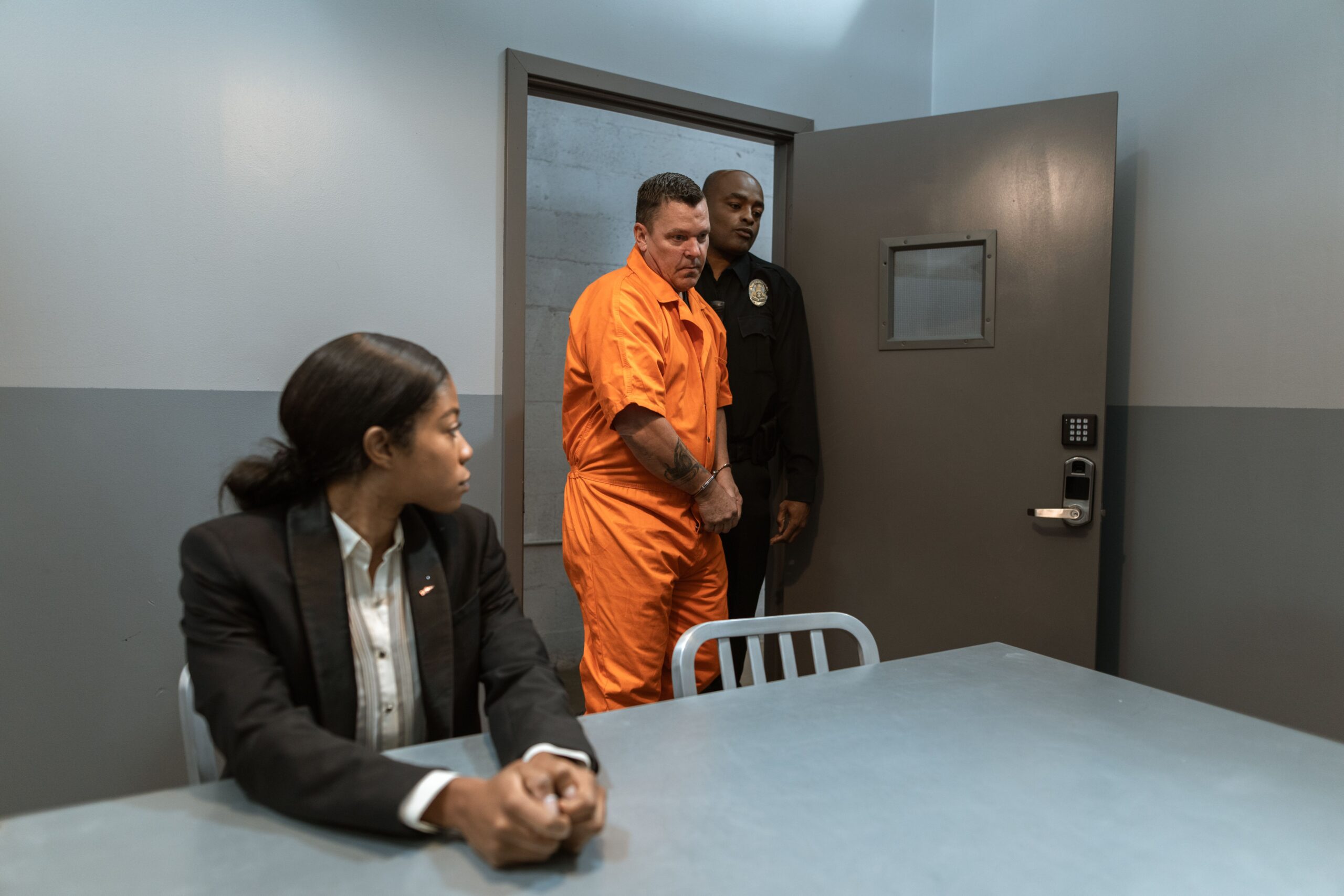
California requires 3,000 hours of supervised professional experience (SPE) for psychologist licensure, with at least 1,500 of those hours completed postdoctorally. The remaining qualifying hours may be completed before the doctorate, including through a formal internship or practicum during a doctoral program.
Aspiring forensic psychologists may benefit from completing some of this experience in forensic settings, such as state hospitals, correctional facilities, court clinics, or forensic assessment practices, where they can develop skills relevant to work involving psychology and the legal system.
Careful documentation is important throughout this stage. California requires a supervision agreement before qualifying SPE begins, along with weekly logs and verification of experience from the primary supervisor.
Step 5: Pass the EPPP and the CPLEE
California requires aspiring psychologists to pass two examinations before licensure. The Examination for Professional Practice in Psychology (EPPP) is a national, knowledge-based exam covering core areas of psychology. You become eligible to take it after earning a qualifying doctorate and completing at least 1,500 hours of qualifying supervised professional experience.
After passing the EPPP, you can move on to the California Psychology Laws and Ethics Examination (CPLEE), which focuses on California-specific laws, regulations, and ethical standards. To become eligible for the CPLEE, you must have completed all 3,000 required SPE hours, including at least 1,500 postdoctoral hours.
Preparing carefully for both exams is necessary, since unsuccessful attempts can add time and additional fees to the licensure process.
Step 6: Complete licensure and build your forensic specialty
After passing the EPPP, completing all 3,000 required SPE hours, and passing the CPLEE, you can submit your Request for Initial Licensure to the California Board of Psychology. Fingerprinting and the required criminal-history background check must also be completed before your license is issued. Once licensed, you can practice independently as a psychologist and continue developing the training and experience needed for forensic work. California psychologist licenses are renewed every two years, with continuing professional development requirements applying to active licensees.
Forensic psychologists may later pursue optional board certification through the American Board of Forensic Psychology, a specialty board of the American Board of Professional Psychology (ABPP). Certification requires specialized postdoctoral training and substantial forensic experience, followed by credential review and examination. For psychologists who regularly work in legal settings, board certification provides an additional credential demonstrating specialized competence in forensic psychology.
What skills do you need to become a forensic psychologist?

Becoming a forensic psychologist takes more than completing the education and licensing requirements. The work calls for psychological knowledge, analytical ability, clear communication, and strong professional judgment in settings where psychological questions may have legal consequences.
- Psychological assessment skills: the ability to gather and interpret psychological information through interviews, testing, records, and appropriate assessment methods when the role involves forensic evaluation.
- Legal and ethical understanding: knowledge of professional ethics and the laws, court procedures, and rules that apply to forensic work.
- Critical thinking and analytical skills: the ability to review complex information, evaluate evidence, and develop well-supported professional conclusions.
- Written and verbal communication: strong report-writing and presentation skills help forensic psychologists explain findings clearly to attorneys, courts, clients, and other professionals.
- Interviewing and interpersonal skills: the ability to gather information effectively and work with people from different backgrounds across criminal, civil, family, and correctional settings.
- Objectivity and emotional resilience: forensic psychologists need to remain impartial, recognize the limits of available information, and avoid allowing competing interests to compromise their conclusions.
TUW’s psychology programs develop skills relevant to this work through coursework in psychological theory, research, ethics, human behavior, forensic psychology, and the legal system. The BA in Psychology with a Forensic Psychology concentration provides undergraduate preparation, while the MS in Forensic Psychology adds graduate-level study in areas such as criminal behavior, professional ethics, law and forensic psychology, research methods, and forensic assessment.
How long does it take to become a forensic psychologist in California?
Becoming a licensed psychologist in California typically takes about 10 to 15 years from the beginning of a bachelor’s degree, depending on the education route and how quickly you complete supervised experience and licensing requirements. A bachelor’s degree generally takes about four years, a master’s may add one to two years, and a psychology doctorate commonly takes four to seven years. California also requires 3,000 hours of supervised professional experience, along with the EPPP and CPLEE.
Is 25 too late to start? No. There is no required age for beginning this career, and starting at 25 leaves plenty of time to complete the education and licensure process. For working adults who want to complete a master’s before deciding on doctoral study, TUW’s online MS in Forensic Psychology offers eight-week courses and six start dates each year and can be completed in as little as one year with full-time study.
How much do forensic psychologists earn in California?
The median annual wage for psychologists nationwide is around $94,000. The U.S. Bureau of Labor Statistics projects overall employment of psychologists to grow 6% from 2024 to 2034, faster than the average for all occupations, while employment of clinical and counseling psychologists is projected to grow 11% over the same period.
For a more specific look at forensic psychology, current salary estimates place the average annual salary for forensic psychologists in California at approximately $87,000, or about $42 per hour. Most salaries fall between $57,700 and $109,500, with the 90th percentile surpassing $127,000.
Earnings can vary considerably by experience, location, employer, specialization, and type of practice. For example, forensic specialists in private or court-appointed practice, particularly those doing expert testimony work, can exceed salaried benchmarks like these.
The bottom line
Becoming a forensic psychologist in California typically involves earning a bachelor’s degree, completing a qualifying doctorate, gaining the required supervised professional experience, and passing the EPPP and CPLEE before becoming licensed as a psychologist.
While a doctorate is required for psychologist licensure, a master’s in forensic psychology can also prepare graduates for related roles in criminal justice, corrections, victim services, and other forensic settings. For students who want graduate-level preparation before deciding on doctoral study, explore TUW’s online MS in Forensic Psychology, review available financial aid options, and check upcoming start dates through admissions.
Frequently asked questions (FAQs)
Can you become a forensic psychologist in California with a master’s degree?
Not as a licensed psychologist. California requires a qualifying doctoral degree for psychologist licensure. A master’s in forensic psychology can prepare graduates for related work in areas such as corrections, victim advocacy, law enforcement, and legal services, depending on the requirements of the position. TUW’s MS in Forensic Psychology provides graduate-level preparation in the field and may also serve as a foundation for further study.
Is it hard to become a forensic psychologist?
The process is demanding and takes several years to complete. Licensed psychologists in California must earn a qualifying doctorate, complete 3,000 hours of supervised professional experience, pass the EPPP and CPLEE, and meet the state’s other licensure requirements. However, while the process is lengthy, each stage is clearly defined by the California Board of Psychology.
Is 25 too late to become a forensic psychologist?
No. There is no required age for beginning the education and licensure process. For adults balancing school with work and other responsibilities, flexible study options may make the earlier stages more manageable. TUW’s forensic psychology bachelor’s and master’s programs are 100% online, and the MS is specifically designed for adult learners and career professionals.
What’s the difference between forensic psychology and criminal psychology?
Forensic psychology applies psychological knowledge to the legal system and includes work involving both civil and criminal matters, such as assessment, expert testimony, treatment, research, and legal decision-making. Criminal psychology is generally narrower in focus, concentrating more specifically on criminal behavior and the psychological factors associated with crime.