How to Become a Health Educator in California (2026)
Key Takeaways
- Health education specialists help individuals and communities make informed health decisions and develop, implement, and evaluate programs that support health and well-being.
- California does not require a state license specifically for health education specialists, unlike regulated professions such as nursing or counseling.
- A bachelor’s degree is the typical entry-level education for health education specialists, while internships and related experience can strengthen your preparation for the field.
- The Certified Health Education Specialist (CHES) is a voluntary national credential, and some employers may require or prefer professional certification.
Becoming a health educator in California typically begins with education and practical experience rather than a general state license. California does not require a specific statewide license for health education specialists, although some employers and specialized roles may have additional requirements. Health educators teach individuals and communities about behaviors that promote wellness and help prevent illness. They assess health needs, develop educational programs and materials, organize events, connect people with health resources, and evaluate program outcomes.
For adult learners, career changers, and working professionals interested in a nonclinical health career, it is helpful to understand degree options, relevant experience, optional professional certification, and employer expectations. Most entry-level positions require at least a bachelor’s degree in health education, health promotion, public health, or a related field. Some advanced positions may prefer or require a master’s degree. Certification may also be preferred or required by certain employers
How to become a health educator in California in 5 steps
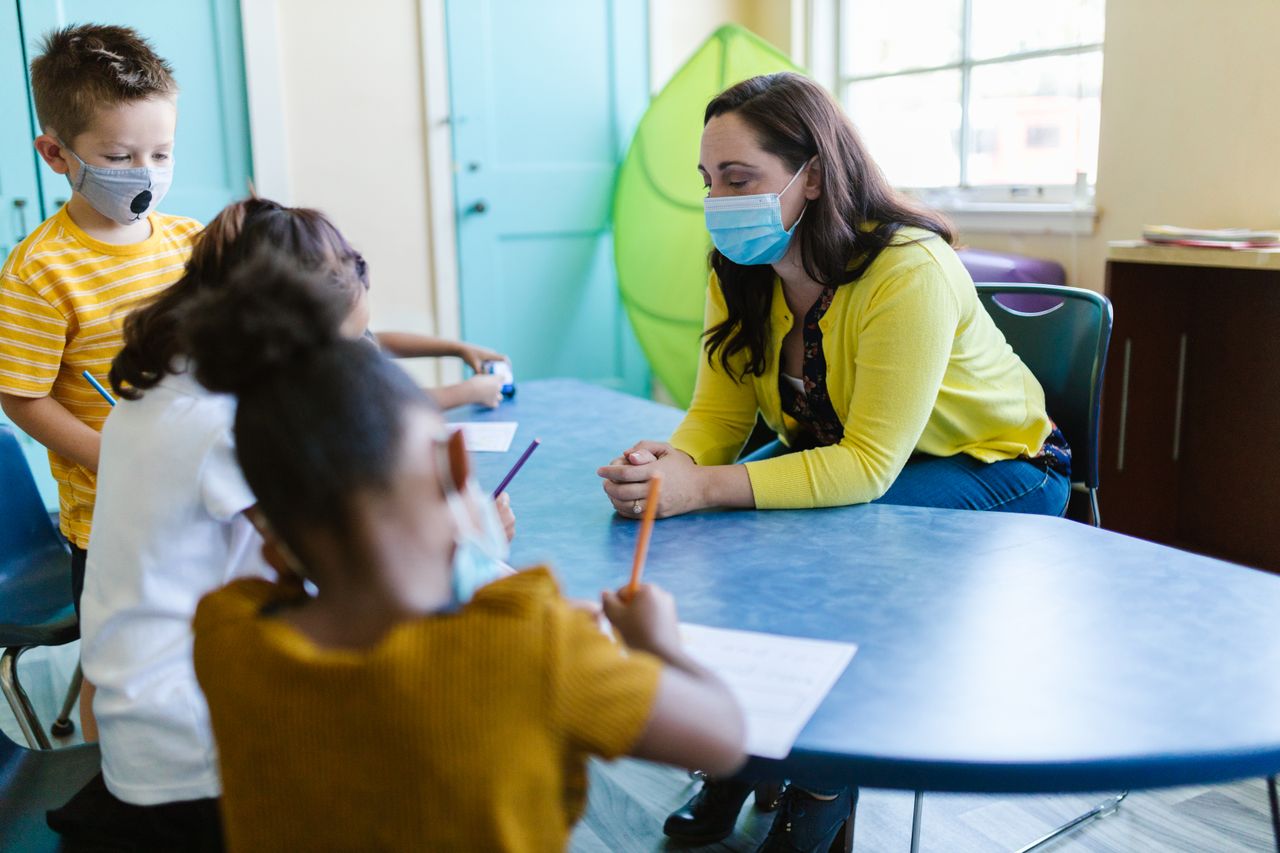
Becoming a health educator in California means earning a bachelor’s degree in health education or a related field, building experience through internships and entry-level roles, considering the CHES credential, choosing a California work setting, and pursuing graduate education if it supports your career goals. California does not require a general state license specifically for health education specialists. Unlike nursing, counseling, or marriage and family therapy, health educators generally do not register with a state licensing board to practice. Employers may instead evaluate an applicant’s education, relevant experience, and professional credentials such as the Certified Health Education Specialist (CHES) certification.
Step 1: Earn a bachelor’s degree in health education or a related field
Health education specialists typically need at least a bachelor’s degree. Common majors include health education, health promotion, health sciences, public health, and community health. Coursework may cover health behavior theory, program planning and evaluation, epidemiology, cultural competence, and health communication. For professionals serving California’s diverse communities, culturally responsive communication can also be particularly relevant.
CHES exam eligibility (covered in Step 3) is tied to your coursework, so choosing a degree with substantial health education coursework can help you plan for certification later.
Our 100% online BS in Health Sciences with a Health Education concentration provides relevant preparation in health promotion and lifestyle modification, epidemiology, cultural competence in health care, and program development and evaluation. The program features eight-week terms and six start dates throughout the year for future professional opportunities and career growth.
Step 2: Build California experience through internships and entry-level roles
Building relevant experience can begin during or soon after your degree. In California, possible entry points include internships, community health worker roles, including promotores, program assistant and outreach coordinator positions, community-based health programs, health education roles at clinics, and other outreach or patient-education positions.
Volunteer experience with community health organizations, local coalitions, or public health outreach programs can also help you build relevant skills and learn which populations and settings interest you most. California’s Medi-Cal program has covered community health worker services since July 2022 and recognizes roles including promotores, community health representatives, navigators, and other nonlicensed public health workers.
Step 3: Earn the CHES certification
A widely recognized credential in the field is the Certified Health Education Specialist (CHES), awarded by the National Commission for Health Education Credentialing (NCHEC). Eligible candidates earn the credential by passing the CHES examination.
To qualify, candidates must hold a bachelor’s degree or higher from an accredited institution and either a degree in health education or at least 25 semester hours of qualifying coursework, completed with a grade of C or better, covering NCHEC‘s Eight Areas of Responsibility for Health Education Specialists. Certification is voluntary, but the Bureau of Labor Statistics (BLS) reports that some employers may require or prefer certification. To maintain CHES certification, credential holders must complete 75 continuing education contact hours during each five-year certification cycle.
Step 4: Choose your setting and specialization
“Health education” is a broad occupational category, and day-to-day work differs substantially by setting. The comparison table in the section below breaks this down in more detail. Common specialization directions include community health, worksite wellness, patient education, sexual health education, chronic disease prevention, and public health program roles, so it’s worth thinking early about which population and setting best match your interests.
Step 5: Advance with a master’s degree and MCHES
Graduate education may be useful for health educators interested in more advanced program, research, or leadership responsibilities. The Master Certified Health Education Specialist (MCHES) credential is an advanced NCHEC credential with both academic and professional-experience requirements. Eligibility routes include maintaining active CHES status for at least five continuous years or, for qualifying non-CHES applicants and CHES holders with fewer than five years of active status, holding a master’s degree or higher with the required health education academic preparation and documenting at least five years of health education experience.
Our online MS in Health Sciences with a Health Education concentration requires 36 credits and is delivered 100% online in eight-week terms, with six start dates each year and no residency requirement. Students learn from scholar-practitioners with professional health science experience. If cost is part of your planning, you can check our financial aid options.
What does a health educator do in California?
Health educators assess health needs of individuals and communities, develop programs, and events to explain health topics, management of conditions, and promote informed decisions . Core duties, drawn from the BLS profile for health education specialists, include:
- Assessing community and individual health needs
- Planning and evaluating health education programs
- Teaching and leading workshops
- Connecting people with health services
- Advocating for health resources
- Collecting and analyzing program data
California’s public health system also places importance on language access. This makes culturally and linguistically appropriate communication especially relevant when working with diverse communities.
| Setting | Typical California employers | Primary focus |
| Public health | County and city health departments, California Department of Public Health | Public health campaigns, disease prevention programs, and emergency health communication |
| Community and nonprofit | Community-based organizations, coalitions, community health worker and promotores programs, faith-based groups | Outreach programs, health fairs, and education for underserved populations |
| Healthcare | Hospitals, health systems, community clinics, and federally qualified health centers | Patient education, chronic disease self-management, and community health programs |
| Health plans | Medi-Cal managed care plans, commercial insurers | Member education, preventive care outreach, and quality improvement programs |
| Worksite wellness | Employers, insurers, wellness organizations | Employee wellness programs, screenings, and health-promotion initiatives |
| Colleges and universities | Universities and student health centers | Peer education, prevention programs, and campus wellness initiatives |
The best setting for you depends on the population you want to work with and whether you prefer more direct health education or greater involvement in program planning and evaluation.
Health educator vs. health teacher in California: Which path are you on?
These two roles are easy to confuse, but they follow different professional routes. A health education specialist may work in community health, public health, healthcare, health plans, or workplace wellness. A relevant bachelor’s degree is the typical entry-level education, and CHES certification can strengthen a candidate’s qualifications. California does not require a state license specifically to work as a health education specialist.
Teaching health in a California public school is different because teachers must hold an appropriate California teaching credential. The California Commission on Teacher Credentialing includes Health Science as a subject area for the Single Subject Teaching Credential. For candidates prepared in California, requirements generally include a bachelor’s degree or higher, demonstrating subject-matter competence, and completing a Commission-approved teacher preparation program.
California offers several pathways and authorizations for teaching in public schools, so if classroom teaching is your goal, review the California Commission on Teacher Credentialing requirements for the route that applies to you.
How long does it take to become a health educator in California?
For someone starting without a college degree, becoming a health education specialist typically takes about four years, based on the time usually needed to earn a bachelor’s degree. The exact timeline varies depending on transfer credits, enrollment pace, and the requirements of individual employers. Internships can provide useful experience during college, but they are not a universal requirement for entering the occupation.
CHES certification does not add a set number of years to this timeline. Eligibility depends on completing the required degree and qualifying health education coursework. Students who will graduate within 90 days of an exam date may also qualify for NCHEC’s 90-day eligibility option if they meet its requirements.
Breaking it down:
- Bachelor’s degree: typically about four years for full-time students, although transfer credits may reduce the remaining time
- Internship or related experience: can be completed during the degree and may strengthen your preparation
- CHES exam: may be taken near graduation or afterward once NCHEC eligibility requirements are met
- Optional master’s degree: completion time varies by program and enrollment schedule
Career changers who already hold a bachelor’s degree may have a shorter route. Depending on their previous coursework, they may need additional health education courses to meet CHES eligibility requirements, while others may pursue graduate study to build further expertise. NCHEC allows applicants whose degree is not specifically in health education to qualify through sufficient coursework covering its Areas of Responsibility.
Our BS in Health Sciences uses eight-week terms, offers six start dates throughout the year, and accepts up to 90 transfer credits. For working students and transfer students, these features provide more flexibility in planning when to begin and how much coursework remains to complete.
How much do health educators earn in California?
According to recent BLS wage data, health education specialists have a median annual wage of $64,070. California salaries range from about $46,000 (25th percentile) to $75,500 (75th percentile), with top earners (90th percentile) making above $90,000 annually, showing how much earnings can vary within the field.
Nationally, employment of health education specialists is projected to grow 6% from 2025 to 2035, faster than the average for all occupations. BLS projects about 6,900 openings each year over that period, with many resulting from workers changing occupations or leaving the workforce.
Pay also varies by work setting. BLS reports national median wages of $83,040 for health education specialists working in hospitals and $69,740 for those in government, compared with $50,230 in social assistance.
The bottom line
Becoming a health educator in California typically starts with earning a relevant bachelor’s degree and building experience in the setting or population you want to serve. CHES certification is optional but may strengthen your qualifications for some positions, and California does not require a state license specifically for health education specialists.
At Touro University Worldwide, we offer online bachelor’s and master’s programs in health sciences designed with adult learners and working professionals in mind. We are a nonprofit university institutionally accredited by WSCUC, and our flexible online programs allow students to continue meeting professional and personal responsibilities while studying. If health education fits your goals, connect with admissions to learn more about the degree options available.
Frequently asked questions (FAQs)
Do you need a license to be a health educator in California?
No. California doesn’t license community and public health educators; there’s no state board to register with for this specific role, unlike nursing or counseling licenses.
Can I become a health educator with a health science degree?
Yes. A health science degree can provide relevant preparation, especially when it includes substantial coursework in health education. CHES eligibility depends on your academic preparation, including your degree and qualifying coursework. Our BS in Health Sciences with a Health Education concentration includes coursework relevant to this field.
Do you need CHES certification to be a health educator?
No. CHES is a voluntary national credential, not a California licensing requirement. However, BLS notes that some employers may require or prefer professional certification for health education specialist positions.
Is health educator a good career in California?
It can be a good fit for people who want to work in health education, community health, or disease prevention without pursuing a clinical license. Nationally, BLS projects employment of health education specialists to grow 6% from 2025 to 2035, with about 6,900 openings projected each year. Career opportunities and pay in California vary by location, employer, education, experience, and professional credentials.