


Program Overview
The Bachelor of Arts (BA) in Social Work degree from Touro University Worldwide prepares culturally competent entry-level social workers to help individuals, families, groups, communities, and organizations. With a focus on community advocacy and social policy, our students learn to provide counseling, referrals, and practical human services.
Students may also choose a School Social Work concentration, focusing on children, youth, and educational settings.
Specializations
TUW offers a School Social Work concentration within the Bachelor of Arts in Social Work. The concentration allows students to focus 12 credits of the 120-credit degree on children, adolescents, families, and educational settings. It became effective in Spring II 2026 and consists of four courses.
School social work concentration — 12 credits
The School Social Work concentration is designed for students interested in supporting children, youth, and families in schools, child welfare organizations, community agencies, and related settings. It fits within the degree’s existing elective requirements and does not increase the total number of credits needed to graduate.
Students complete four three-credit courses:
- BSW 305: Youth-at-Risk, which examines the social, emotional, cultural, and behavioral issues that may affect children and adolescents.
- BSW 307: Child Abuse, which addresses child abuse, neglect, reporting, prevention, policy, and intervention.
- BSW 318: Child Welfare Services, which covers child protection, family support, foster care, adoption, and related services.
- BSW 321: School Social Work, which introduces school-based support, family engagement, attendance interventions, advocacy, and collaboration with educators.
The concentration may support entry-level work in youth services, child welfare, family advocacy, school support, and community programs. It may also provide relevant preparation for students who plan to pursue an MSW focused on children, families, or school social work.
The concentration does not lead directly to professional licensure or certification as a school social worker. In most states, licensure or certification as a school social worker requires an MSW and additional state-specific credentials.
Admission Requirements
Students seeking enrollment in the online Bachelor of Arts in Social Work program must meet one of the following criteria to be considered for admission:
- High school graduate
- Successful completion of the General Education Development (GED) test
- Transfer student from an accredited college or university in good academic standing
Tuition, Financial Aid & Scholarships
Tuition is $400 per semester credit. A range of tuition assistance options may help eligible students reduce the out-of-pocket cost of earning their degree, including federal financial aid, scholarships, employer tuition assistance, and military education benefits.
TUW does not charge library, media, parking, student ID, student service, or technology fees. Course materials are available online, so students do not have to purchase separate textbooks for their courses. A one-time $200 degree audit and graduation fee applies.
TUW offers several scholarships for eligible new students, including undergraduate, military, law enforcement, and alumni scholarships. Eligibility requirements, award amounts, and enrollment conditions vary by scholarship.
Many employers also offer tuition assistance programs. Check with your employer to determine whether additional financial support is available to you. TUW tuition assistance counselors can help you understand your eligibility for financial aid, scholarships, and other tuition assistance options.
Military & Veteran Benefits
Eligible active-duty service members, National Guard members, reservists, retirees, veterans, military spouses, immediate DEA dependents, and non-contractor Department of Defense employees may qualify for TUW’s reduced undergraduate tuition rate. Service members planning to use Tuition Assistance should consult their Education Services Officer (ESO) for guidance before enrolling. TUW also accepts eligible GI Bill® benefits and participates in the Yellow Ribbon Program.
Military training and experience may be evaluated for transfer credit based on American Council on Education recommendations. Eligibility, documentation, and benefit requirements vary, so contact an enrollment counselor for guidance.
What Can You Do With a Bachelor of Arts in Social Work?
TUW’s Bachelor of Arts in Social Work prepares graduates for entry-level roles in social work and human services and provides a foundation for pursuing a Master of Social Work. Through online coursework and field education, students develop skills in interviewing, assessment, referrals, advocacy, research, social policy, and generalist social work practice.
Core Requirements
51 Semester Credits
COURSE DESCRIPTION
The course describes the historical development, formation of social welfare policies, and the role of the social work professional.
CREDITS
3
COURSE DESCRIPTION
This course surveys the history of social welfare policy, services, and the social work profession.
It explores current social welfare issues in the context of their history and the underlying rationale and values that support different approaches. Topics include major fields of social work service such as: income maintenance, healthcare, mental health, child welfare, corrections, and services to the elderly.
CREDITS
3
COURSE DESCRIPTION
This course provides students with professional interviewing skills, and enhanced understanding of verbal and non-verbal communication listening skills, and an awareness and understanding of diverse issues related to the interviewing process. The person-in-environment perspective will be utilized throughout this course. Students will develop beginning proficiency as generalist social work practitioners when interviewing clients and other professionals who may work in an interdisciplinary setting. Students will begin to develop knowledge and proficiency in how to translate interview information into a bio-psycho-social assessment. Students will also learn introductory skills relating to the problem-solving model, particularly engagement and problem identification. Students are expected to demonstrate increased insight into their own behaviors, values, beliefs, and attitudes as they relate to professional social work practice.
CREDITS
3
COURSE DESCRIPTION
This course examines the relationship of social policy, ethics, and the social work field. Students will address ethical dilemmas, particularly as they relate to current and needed social policies on local, state, and national levels. A basic understanding of social welfare theories will assist the student in evaluating, assessing, and advocating for change in both a micro/macro perspective. The Ethical Standards of Social Worker Professionals will serve as a backbone for students to use in decision-making, assessment of clients and client groups, and promotion of change in a diverse setting.
CREDITS
3
COURSE DESCRIPTION
This course explores a select set of theories that help us understand how individuals and communities develop and interact. Because empathic and skillful interventions with individuals, groups, and communities require understanding ourselves as well as others, the course provides an opportunity for increased self-awareness. At the beginning of the course, we focus on the key theories that help us understand the dimensions and expression of human behavior in the social environment. This discussion is followed by an examination of how dimensions of culture and cultural contexts can shape individual values, beliefs, worldviews, and identities and, therefore, play a role in the helping process. Through discussion and analysis, we will explore areas of universality and difference in the context of gender, race, ethnicity, sexual orientation, spiritual beliefs, and socioeconomic class, as well as the realities and influence of multiple forms of oppression.
CREDITS
3
COURSE DESCRIPTION
In this second course in the human behavior and the social environment sequence, students will examine human development, considering the theoretical underpinnings regarding opportunities, vulnerabilities and cultural factors that can influence individual development within communities and organizations. With particular attention on how systems impact the health and well-being of marginalized populations, the ability to analyze human behavior in the social environment and the impact within communities and organizations is essential for all methods of social work practice, whether the primary focus is clinical or community based.
Prerequisite: BSW 310
CREDITS
3
COURSE DESCRIPTION
This course will provide students with an introduction to research methods used in social work. Topics include research paradigms, introduction to quantitative and qualitative analysis and how they relate to social work research. This course will guide students through the steps required to understand research and conducting a research project in social work.
CREDITS
3
COURSE DESCRIPTION
The course emphasizes the comparative analysis of respective national approaches to social policy provision in a variety of developed and developing nations. It examines different societies and a number of dimensions of the social welfare system: Social Security, social services, and health care policy. Particular attention is paid to the nature of governmental involvement in social policy, the nature of public/private sector relations, and the assessment of social policy with regard to such analytical concepts as adequacy, equity, and efficiency.
CREDITS
3
COURSE DESCRIPTION
This course prepares students to demonstrate ethical and professional behavior in the field of social work. Students learn about the CSWE 9 core competencies and associated practice behaviors. Students will hone interviewing and assessment skills as well as develop self-advocacy skills. Special topics include self-care and safety in social work.
CREDITS
3
COURSE DESCRIPTION
This course explores various aspects of human heterogeneity. Students will utilize the CSWE 9 Core Competencies and associated behaviors to develop skills, practice cultural sensitivity, and learn to advocate for individuals, fairness, groups, communities, and organizations.
CREDITS
3
COURSE DESCRIPTION
In this course Theories, models and perspectives for practice with Individuals and families discussed.
CREDITS
3
COURSE DESCRIPTION
In this course theories, models and perspectives for practice with groups are discussed.
CREDITS
3
COURSE DESCRIPTION
In this course theories, models and perspectives for practice with Communities and Organizations are discussed.
CREDITS
3
COURSE DESCRIPTION
The Practicum I include theory and traineeship of 150 hours and must be taken concurrent with BSW 320 Social Work Practice I (Individuals and Families). The prior arrangement for the agency for the Practicum/Traineeship must be arranged at least 6-7 months prior to the beginning date desired. This requirement is done by prior arrangement through the BASW Program Director and Coordinator of the Practicum.
CREDITS
3
COURSE DESCRIPTION
The Practicum I include theory and traineeship of 150 hours and must be taken concurrent with BSW 322 Social Work Practice II (Groups). The prior arrangement for the agency for the Practicum/Traineeship must be arranged at least 6-7 months prior to the beginning date desired. This requirement is done by prior arrangement through the BASW Program Director and Coordinator of the Practicum.
CREDITS
3
COURSE DESCRIPTION
The Practicum I include theory and traineeship of 150 hours and must be taken concurrent with BSW 324 Social Work Practice III (Communities and Organizations). The prior arrangement for the agency for the Practicum/ Traineeship must be arranged at least 6-7 months prior to the beginning date desired. This requirement is done by prior arrangement through the BASW Program Director and Coordinator of the Practicum.
CREDITS
3
COURSE DESCRIPTION
The Capstone Course is the final culminating course in the BASW degree program. In this course, the student work on a comprehensive social work portfolio. Students will demonstrate skills in research, synthesis of information, and critical thinking. The Capstone course is used to assess the student achievement of all 9 core competencies of the Council on Social Work Education (CSWE) and the BASW Program Learning Outcomes.
CREDITS
3
Elective Requirements (Please choose 8 elective courses)
24 Semester Credits
COURSE DESCRIPTION
This course will provide a systemic perspective on Family Violence (FV) and Intimate Partner Violence (IPV) (IPV is formerly and is still referred to as domestic violence). Included in the course is an overview of associated theories and research FV and IPV, various types of abuse, the legal systems response, assessment and intervention techniques and community support services for batterer intervention programs. Special topics will also include socioeconomic status, gender and religion relevant to domestic violence.
CREDITS
3
COURSE DESCRIPTION
This course introduces victim advocacy and victimization in the United States relative to social work. Students examine the impact of crime from the victims’ perspective. Special emphasis in the course addresses interventions for victims as well as victim’s rights and services. Students engage victim advocacy topics in both current events and local resources.
CREDITS
3
COURSE DESCRIPTION
This course provides an introductory examination of Youth at Risk in the United States. Students explore the physical, psychological, social and cultural dimensions of youths at risk. The course includes topics in diversity, socio-cultural contexts, and social work interventions pertinent to at risk youth populations. Students assess behavioral, emotional, and situational problems facing youth in our society today.
CREDITS
3
COURSE DESCRIPTION
This course examines social policies and interventions that address child abuse including neglect and abandonment. Students explore child abuse relative to historical, legal, policy, treatment and prevention. Special topics include attachment, separation, and the long-term effects of abuse on the developing child and the associated risk factors such as substance abuse, mental illness, and domestic violence.
CREDITS
3
COURSE DESCRIPTION
This course provides an overview of the social worker’s role with service members, veterans and their families. Students explore services and resources in a variety of settings to include community, government, education, health and mental health. Special topics include military culture, educating stakeholders, advocacy through the social worker’s knowledge of legislative, regulatory, and other associated policies that ensure optimal care for the military population.
CREDITS
3
COURSE DESCRIPTION
This course introduces students to international social work and the theoretical underpinnings for social work practice in contemporary settings. Students examine the history, environment, culture, socioeconomic factors and social welfare policies in various geographic locations around the world. Special topics include but are not limited to global poverty, health disparities, treatment of women, population growth and migration. Students will analyze and employ critical thinking skills in a variety of models that demonstrate prevention and or intervention of international social work practice.
CREDITS
3
COURSE DESCRIPTION
This course introduces students to social work intervention aimed at addiction prevention and treatment of drug and alcohol abuse. Students receive an overview of a variety of addiction theories used in social work practice. Special topics include psychosocial factors affecting both the identification and treatment of substance abusers, the impact of substance abuse on the user, families, and society.
CREDITS
3
COURSE DESCRIPTION
This course provides an overview of the biological, psychological, and social aspects facing older adults in our society. Students learn underling theories and skill sets for direct practice in social work with older adults. The course focuses on social agencies and other service resources for the elderly, and the associated policies and legal issues that most affect the lives of older adults. Special topics include challenges and opportunities in late life and the associated impact on caregivers’ family members of older adults.
CREDITS
3
COURSE DESCRIPTION
The course focuses on child protective services social workers role to ensure the safety and well-being of children living in households where abuse or neglect may be taking place. These social workers may provide counseling to families where poor parenting practices are endangering children. They may identify resources for the troubled families. In some cases, child protective services workers may remove endangered children and arrange adoptions or find foster care for them.
CREDITS
3
Credits
120 semester credits
Format
100% online, 8-week courses*
Next start
August 31, 2026
Apply by
August 28, 2026
Accreditation
WSCUC and CSWE
Tuition
$400 per semester credit
Transfer credits
Up to 90 credits
Entry requirement
High school diploma or GED, or transfer in good academic standing; minimum 2.0 GPA
Students are responsible for securing an approved field site. TUW must approve the site and supervisor before students begin accumulating field hours.
Application deadlines are generally the Friday before the term begins. Confirm the date with an enrollment counselor.
Request Information
Accreditation & Employer Recognition
The Bachelor of Arts in Social Work is accredited by the Council on Social Work Education’s Commission on Accreditation. CSWE accreditation means the program has completed a peer-review process and meets established standards for social work education. The review considers the program’s curriculum, resources, mission, goals, and compliance with the Educational Policy and Accreditation Standards.
CSWE accreditation applies to the program’s approved delivery methods, including online instruction. It confirms that the online program has been evaluated for educational quality and prepares graduates to demonstrate the competencies expected in bachelor’s-level social work practice.
Touro University Worldwide is also institutionally accredited by the WASC Senior College and University Commission. These accreditations help demonstrate the legitimacy and quality of the degree. Individual employers may still set additional requirements for education, experience, certification, or licensure.
Why TUW: Faculty, Proof & Credibility
Touro University Worldwide’s Bachelor of Arts in Social Work combines eight-week online courses with required field education. Limited class sizes create a more personal learning environment, while Career Services provides resources to help students prepare for their professional goals.
Faculty expertise
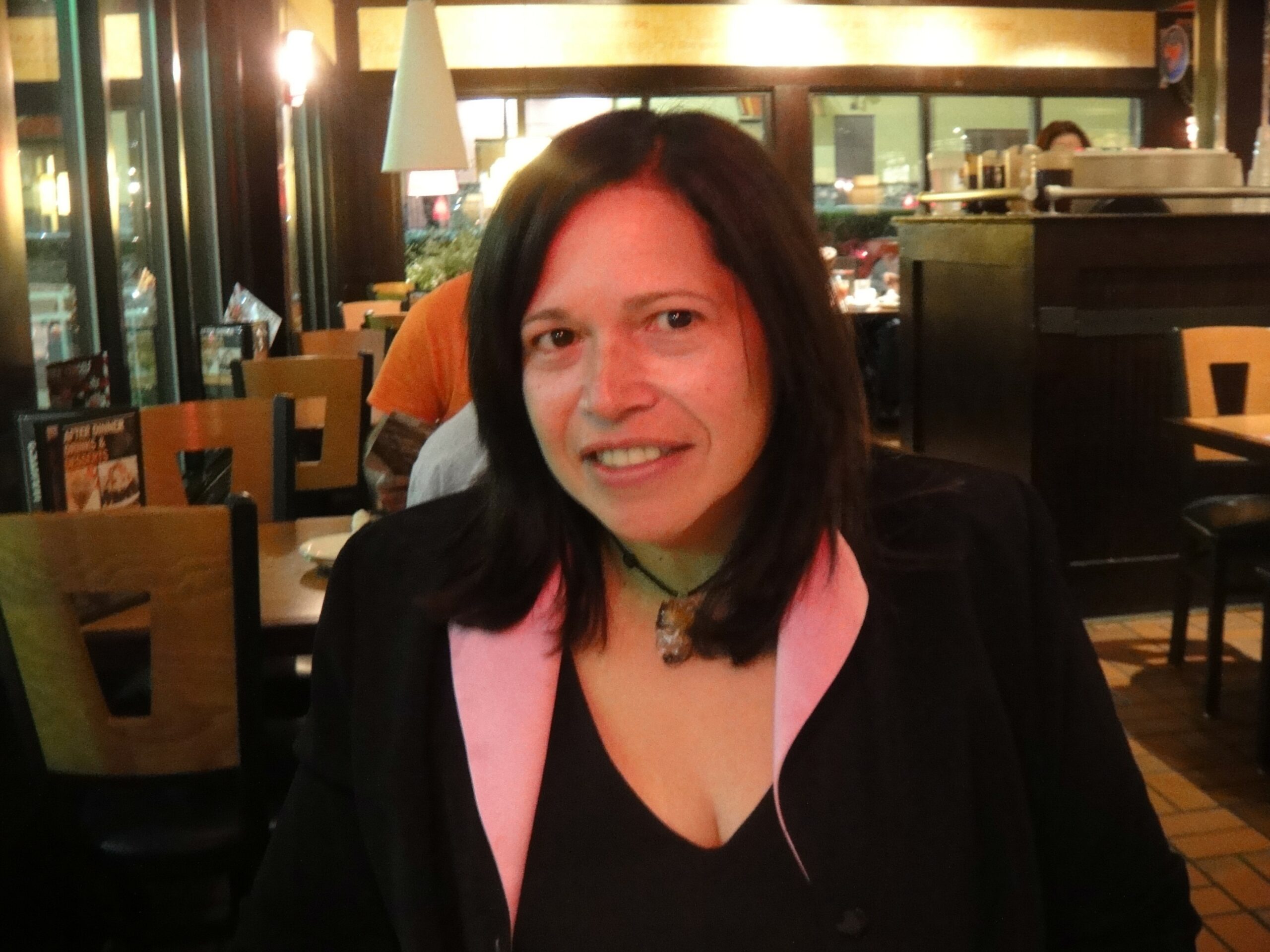
Dr. Denise Mayo (MSW degree from a CSWE accredited school)
Areas of expertise: Childhood literacy, women in leadership, particularly as applied to minority or economically disenfranchised populations.
Published in several academic books and journals
Roles at TUW
- Director of the Bachelor of Arts in Social Work Program, the Edith Neumann School of Health and Human Services
- Professor of Social Work
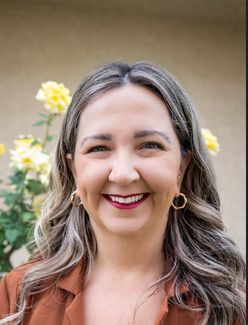
Dr. Patricia Damos (MSW degree from a CSWE accredited school)
- Areas of expertise: Medical Social Work, Behavioral Health Crisis Intervention, Trauma-Informed Care Education.
- Published Research on Registered Nurses’ Perceptions of Trauma-Informed Care During the COVID-19 Pandemic
Roles at TUW
- Field Education Director of the Bachelors of Arts in Social Work Program, the Edith Neumann School of Health and Human Services
- Professor of Social Work

Student community
The TUW BSW Social Work Advisory Team (SWAT) organizes the Random Acts of Kindness initiative as a way for students and members of the wider TUW community to support the well-being of others.
From February 14–22, 2026, students, alumni, faculty, friends, and family members completed 597 random acts of kindness in their communities. The initiative gives students a practical way to connect the values of social work, including service, empathy, and community engagement, with everyday action.